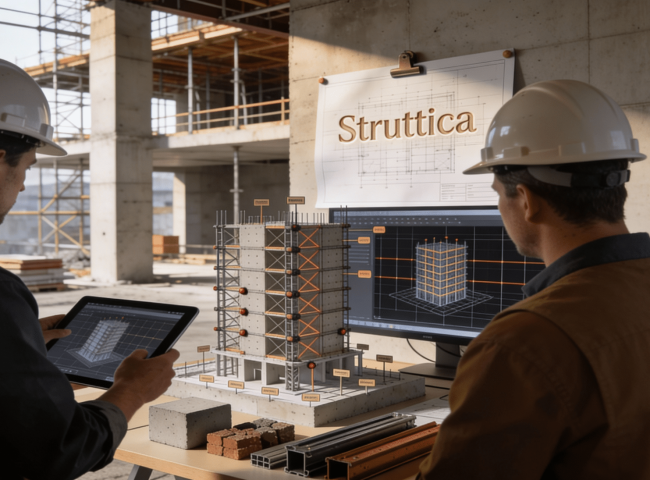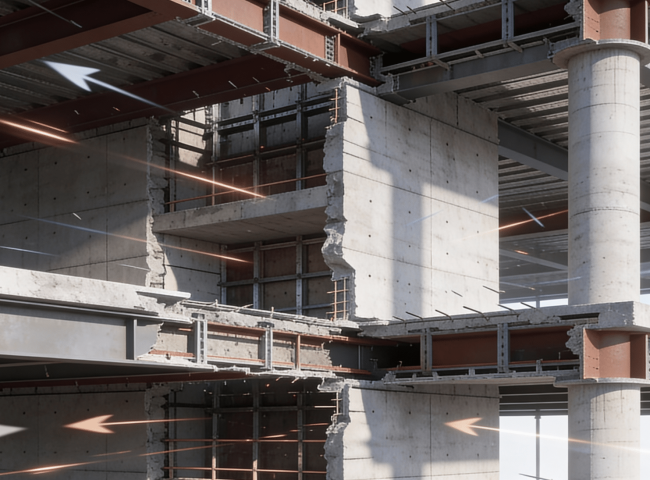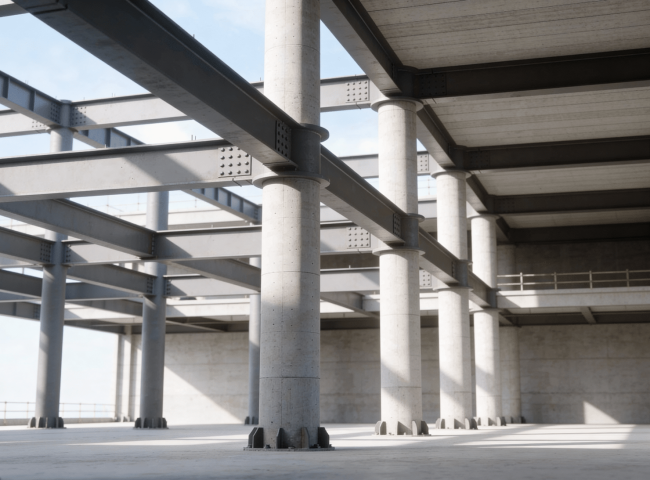

Structural design should lead every project because it defines what is physically possible, economically viable, and technically sustainable. Treating structure as a secondary response to architectural form is one of the most persistent and costly mistakes in the construction industry. A project may begin with vision and aesthetics, but it is structural logic that determines whether that vision can be delivered efficiently, safely, and with long-term value.
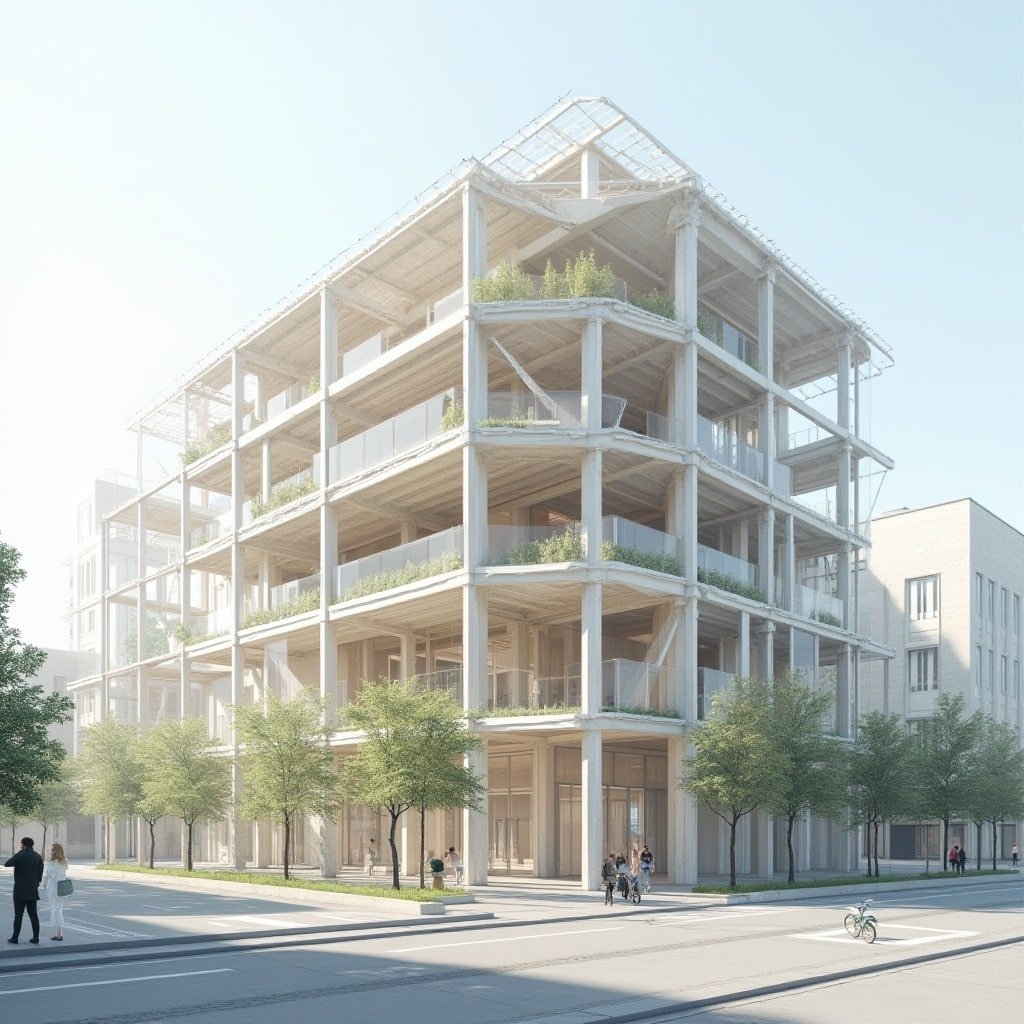
At the earliest stages, structural decisions set the framework within which all other disciplines operate. Column grids, spans, floor depths, and lateral systems establish the spatial order of a building. These choices directly affect usable area, façade proportions, building height, and service integration. When structural design leads, architectural concepts evolve within realistic boundaries, avoiding later compromises and forced redesigns. When it follows, the project inherits inefficiencies that cannot be fully corrected.
Cost control is another compelling reason for structural leadership. Structural systems represent a substantial portion of construction cost and strongly influence foundation requirements, material quantities, and construction methodology. Early structural direction enables optimization of spans, reduction of unnecessary mass, and alignment of the design with the most efficient construction sequence. Projects driven without early structural input often rely on heavy, conservative solutions introduced too late, locking in higher costs and limiting opportunities for value engineering.
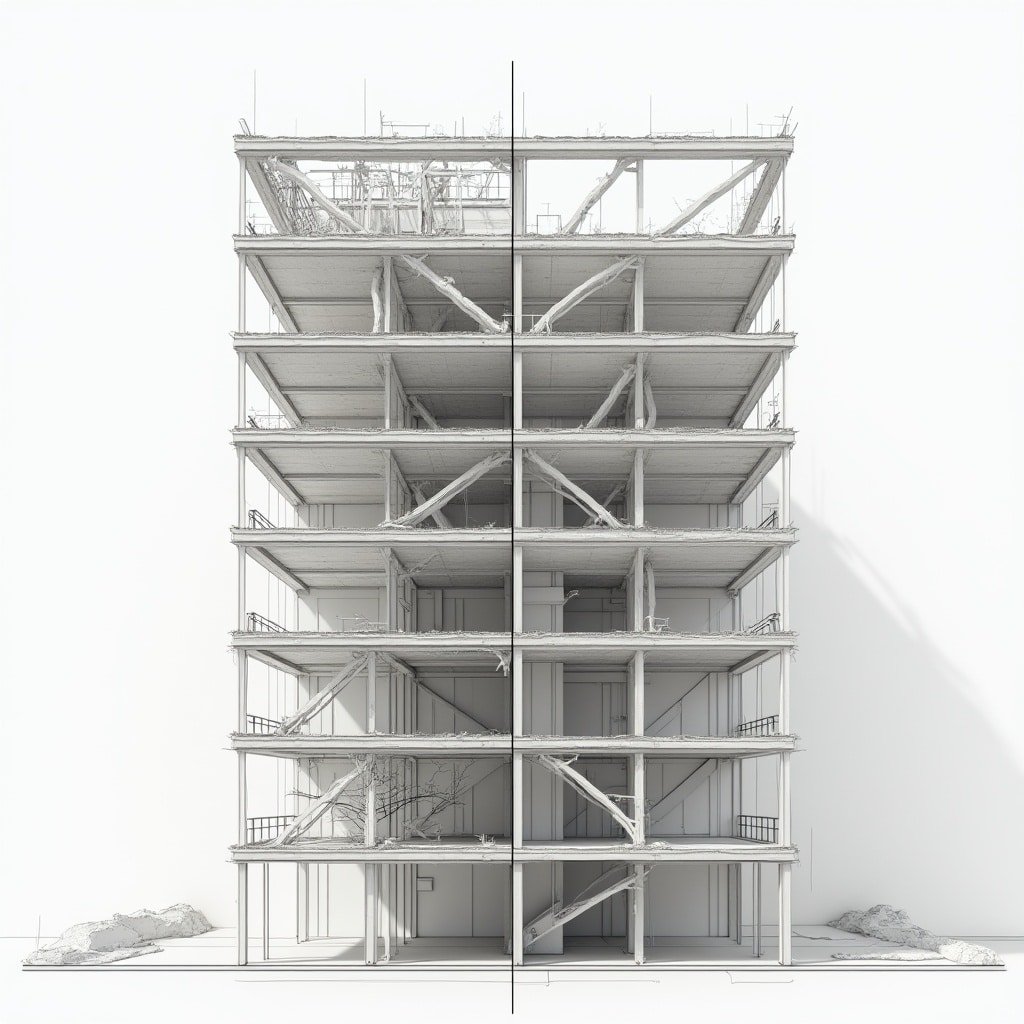
Structural leadership also improves project delivery and risk management. Clear load paths, rational systems, and buildable details reduce ambiguity during construction. Contractors benefit from predictable behavior and straightforward execution, while clients benefit from fewer change orders and disputes. Many site problems attributed to “construction issues” are, in fact, consequences of structural decisions made too late or under constrained conditions.
Beyond delivery, structure governs long-term performance. Durability, adaptability, and resilience are determined primarily by structural configuration and detailing. A building designed around a robust structural concept is easier to maintain, more capable of accommodating future changes, and more resilient to extreme events such as seismic action or progressive deterioration. These qualities cannot be added after the fact; they must be embedded from the beginning.
Importantly, leading with structure does not diminish architecture—it strengthens it. Some of the most successful buildings are those where architectural expression emerges naturally from structural clarity. When structure and architecture are developed together from the outset, the result is coherence rather than conflict.
In professional practice, the conclusion is clear. Structural design is not a supporting discipline; it is a strategic driver. Projects that allow structure to lead are more efficient, more predictable, and more valuable over their entire life cycle. Structural leadership is not about control—it is about setting a solid foundation for every other decision that follows.