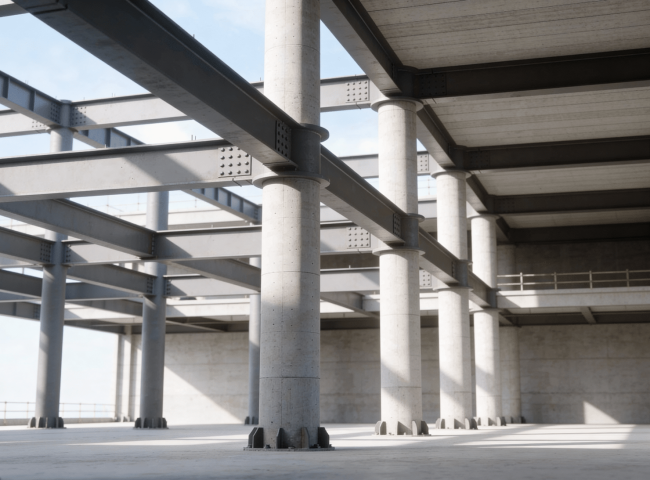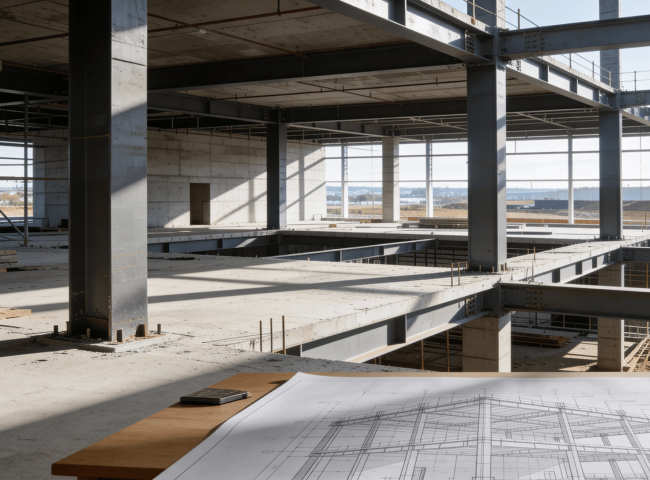

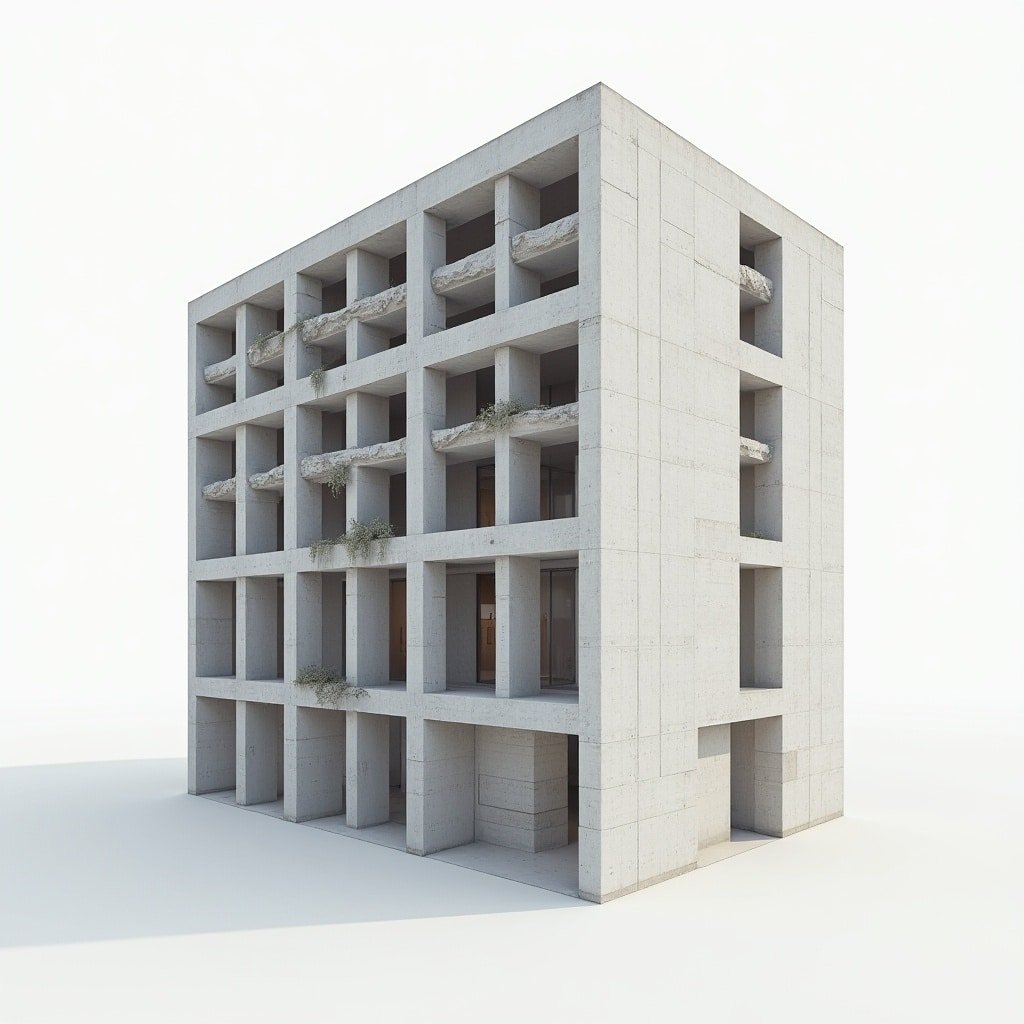
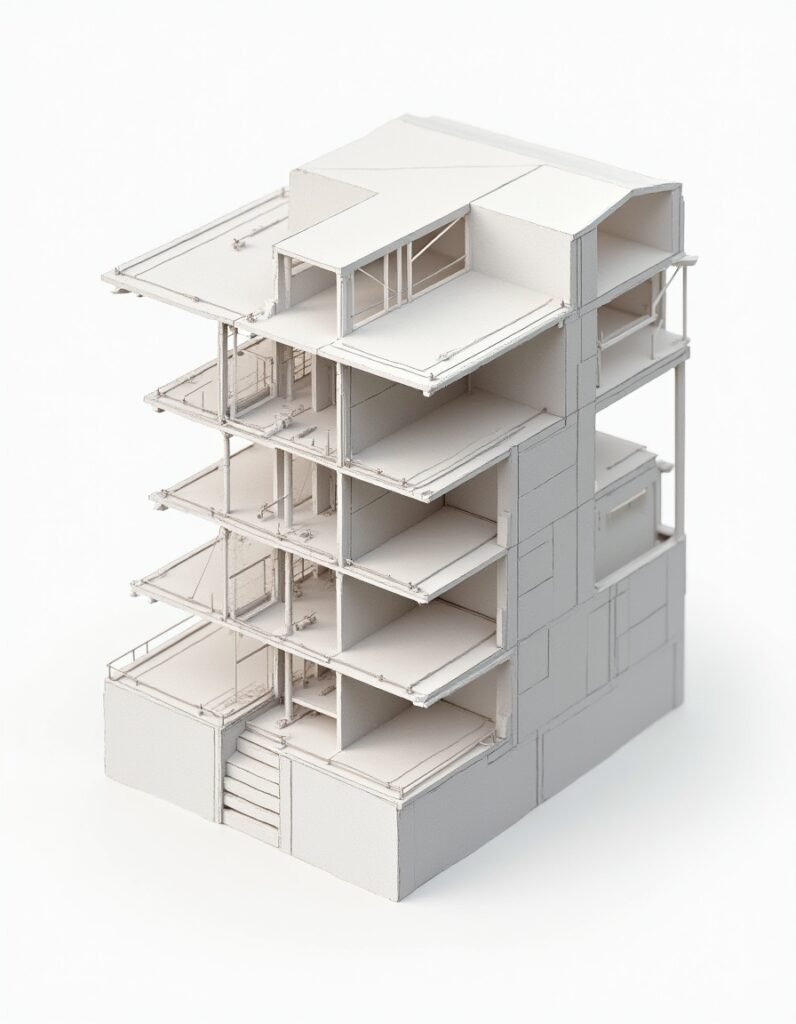
Earthquake-resistant design is often misunderstood as a purely analytical exercise—a matter of satisfying equations, applying code coefficients, and checking demand-to-capacity ratios. This perception is dangerously incomplete. In reality, seismic design is fundamentally about how a building behaves when subjected to extreme, unpredictable forces. Calculations are essential, but they are only a tool. The true measure of seismic performance lies in controlled behavior, not numerical compliance.
Earthquakes do not apply loads in a neat, static manner. They induce cyclic, reversing forces that push structures beyond the elastic range. In this context, the objective is not to prevent all damage, but to manage it. A well-designed building dissipates energy through predictable, ductile mechanisms while maintaining overall stability. A poorly conceived structure may satisfy code checks on paper yet fail abruptly due to brittle behavior, poor detailing, or unfavorable load paths.
Structural configuration is the first determinant of seismic behavior. Regularity in plan and elevation, clear load paths, and balanced stiffness distribution are far more influential than marginal increases in member capacity. Torsional irregularities, soft stories, and abrupt changes in stiffness create stress concentrations that no amount of local strengthening can fully compensate for. These issues are conceptual, not computational, and must be addressed at the earliest design stage.
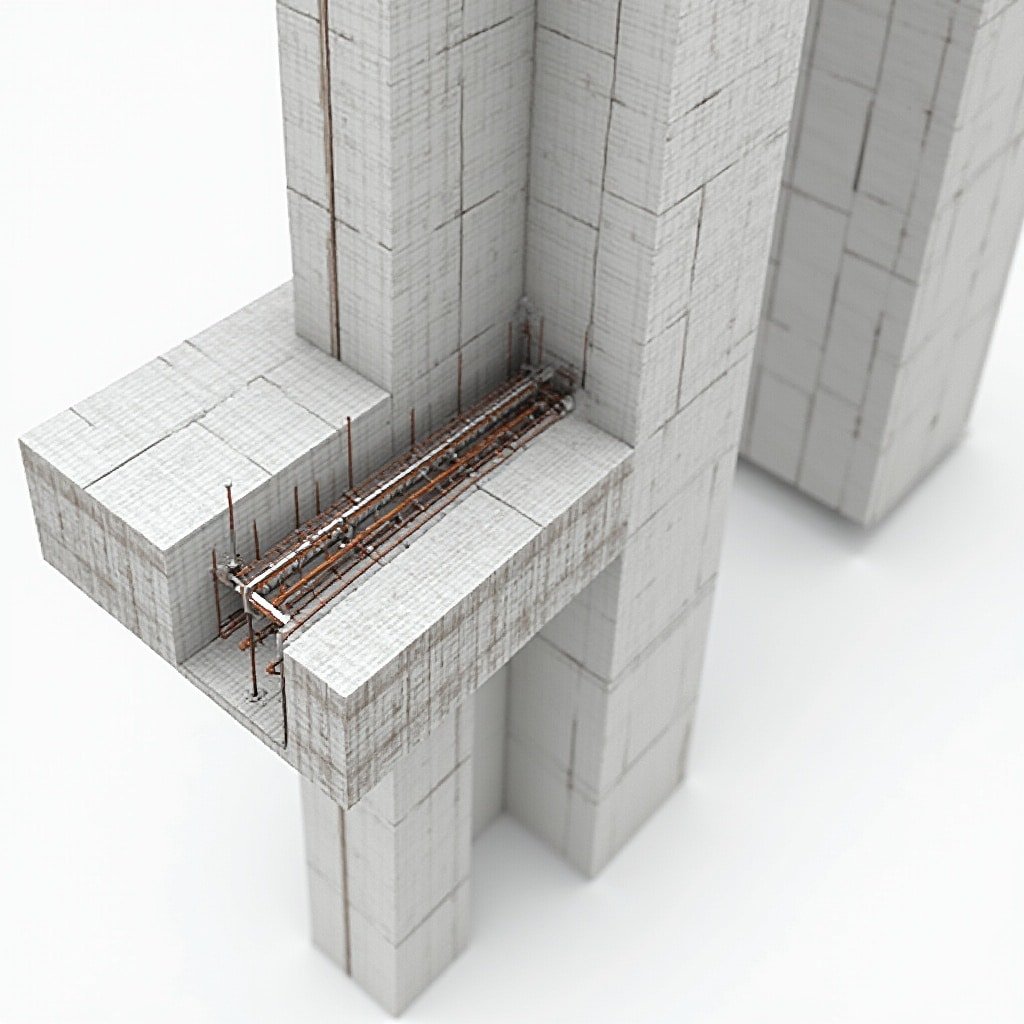
Detailing is equally critical. Ductility is not achieved through equations alone; it is created through reinforcement layout, confinement, anchorage, and connection design. The ability of beams, columns, walls, and joints to undergo large deformations without losing strength defines seismic resilience. Structures fail in earthquakes not because the global forces were miscalculated, but because local details were unable to accommodate imposed deformations.
Another essential aspect of seismic behavior is hierarchy of strength. Earthquake-resistant design deliberately controls where damage occurs. By ensuring that inelastic action is confined to ductile elements while brittle components remain protected, the structure responds in a controlled and repairable manner. This philosophy cannot be retrofitted through analysis at the end of the design process; it must guide decisions from the beginning.
Ultimately, codes provide minimum requirements, not guarantees of performance. Compliance does not automatically translate into resilience. Engineers who rely solely on calculations risk overlooking the physical reality of seismic response. Those who focus on behavior—how forces flow, where damage forms, and how the structure deforms—produce buildings that protect life and retain integrity under extreme events.
Earthquake-resistant design is therefore a matter of judgment, understanding, and intent. Calculations support this process, but they do not replace it. Buildings survive earthquakes not because numbers were correct, but because their behavior was anticipated and deliberately shaped.