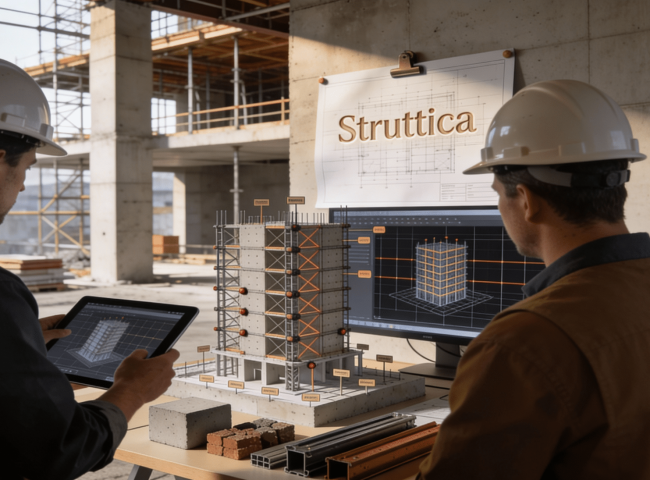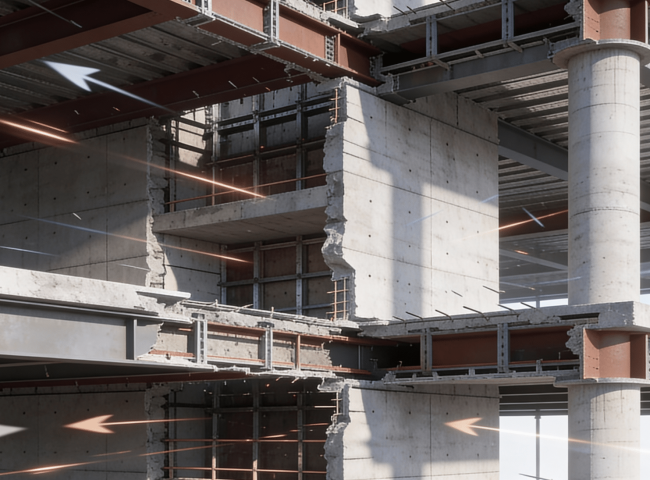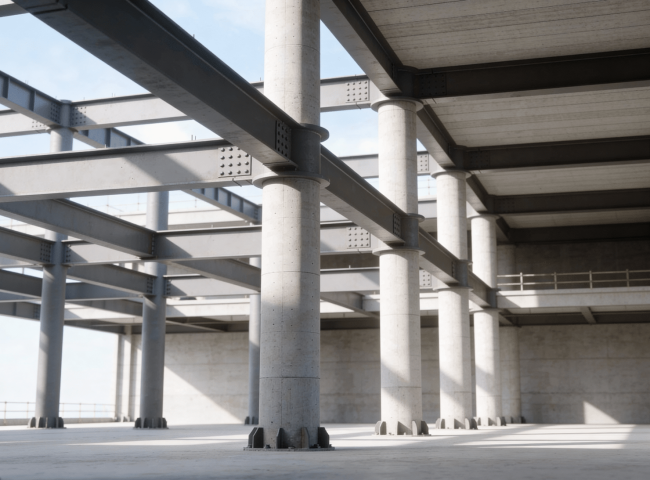

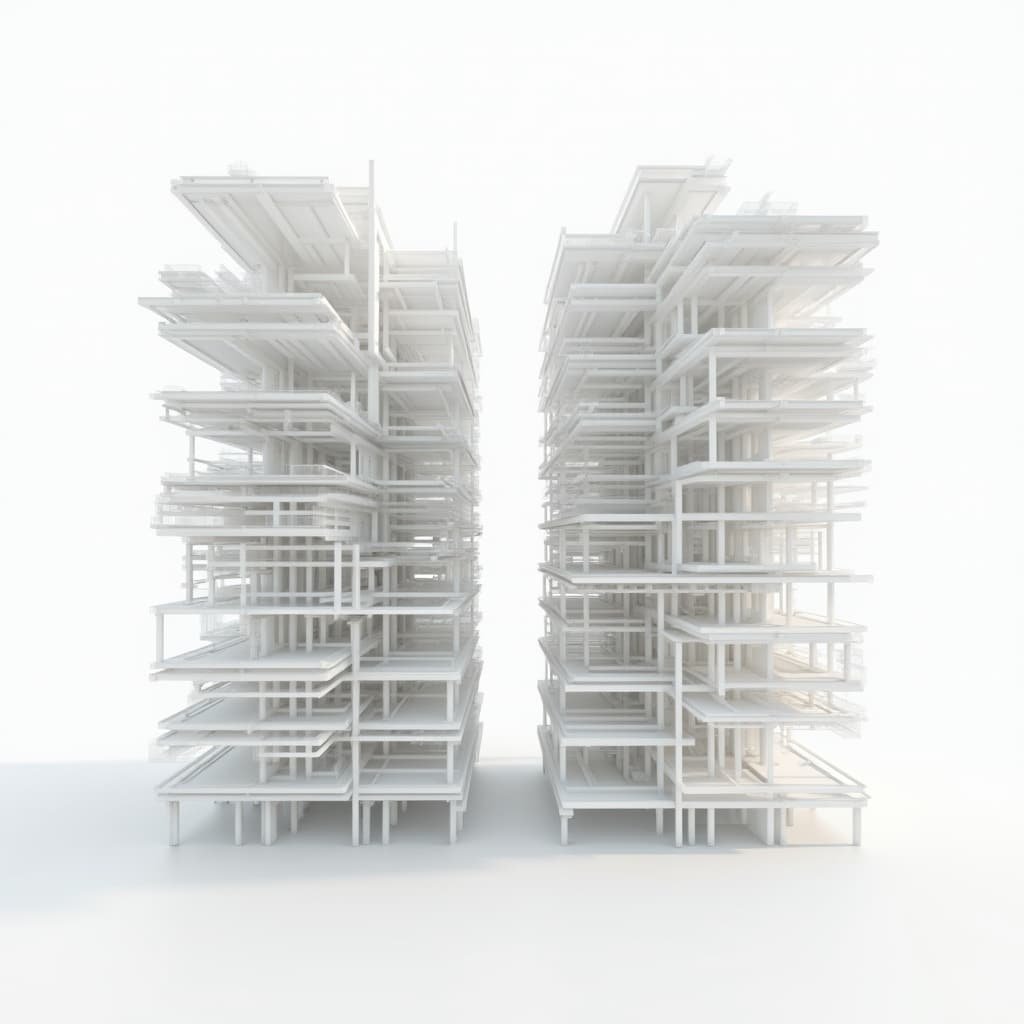
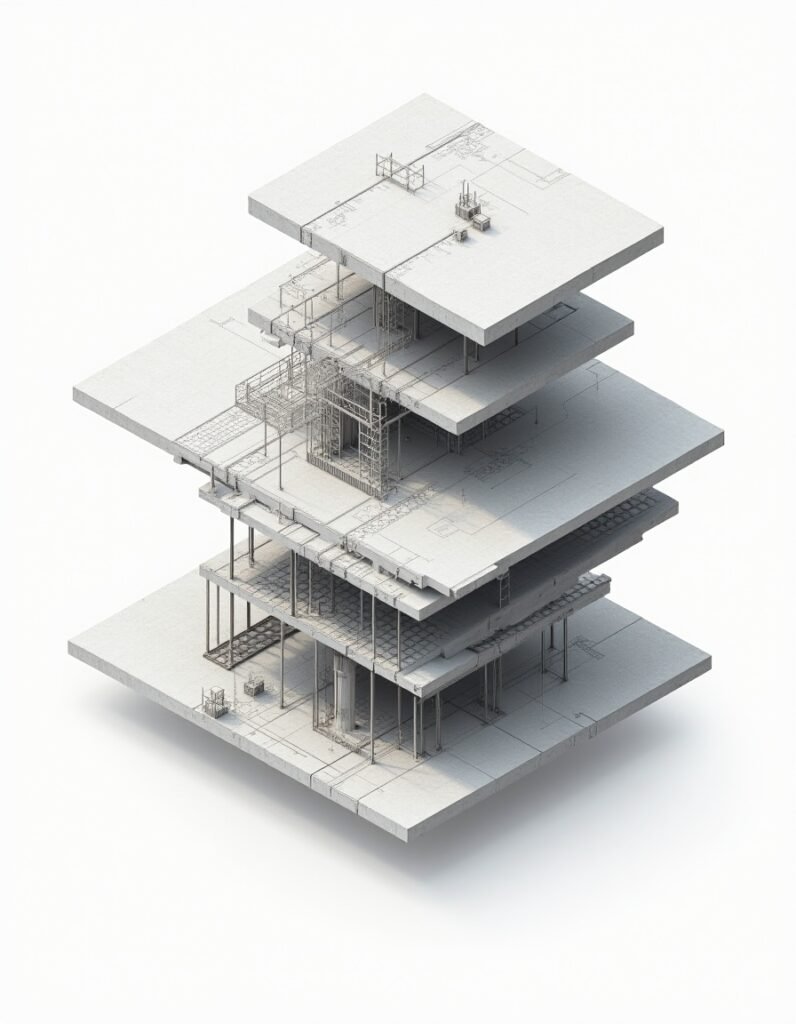

Early structural coordination is not a procedural formality; it is a decisive factor in the success or failure of a project. When structural input is delayed until after architectural decisions are fixed, inefficiencies are embedded into the project from the very beginning. The result is predictable: redesign cycles, construction conflicts, budget overruns, and compromised performance. In contrast, involving structural engineering early saves time, money, and—critically—professional reputation.
Time is the first casualty of poor coordination. Late structural reviews often uncover fundamental issues such as impractical spans, excessive cantilevers, conflicting floor levels, or unrealistic load assumptions. Correcting these issues after drawings are developed forces revisions across multiple disciplines. Schedules slip, approvals are delayed, and construction start dates are pushed. Early coordination prevents this chain reaction by aligning architectural intent with structural logic from the outset, allowing the design to progress smoothly rather than repeatedly restarting.
Cost control is equally dependent on early structural engagement. Structural systems define a significant portion of construction cost through material quantities, foundation requirements, and construction methodology. When structure is treated as a late-stage adjustment, solutions tend to be conservative, material-heavy, and inefficient. This inflates costs not because the project is ambitious, but because the opportunity to optimize has already been lost. Early coordination enables rational structural grids, efficient load paths, and realistic spans, resulting in leaner designs and more predictable budgets.
Beyond time and cost, early structural coordination protects professional credibility. Construction disputes, site delays, and post-construction defects are rarely traced back to a single calculation error; they are usually the outcome of poor interdisciplinary alignment. Misaligned openings, unbuildable details, and unexpected site modifications reflect directly on the design team. Clients may tolerate complexity, but they do not tolerate surprises. Projects that run smoothly reinforce trust, while those plagued by preventable issues damage reputations that take years to build.
Early coordination also improves constructability. Structural engineers involved from the beginning can advise on sequencing, temporary stability, and realistic construction tolerances. This reduces site improvisation, minimizes rework, and improves safety. Contractors benefit from clearer drawings and fewer ambiguities, while clients benefit from fewer change orders and disputes.
Most importantly, early structural coordination establishes a collaborative design culture. Architecture, structure, and building services evolve together rather than competing for space and priority. This integrated approach produces buildings that are not only visually compelling, but also efficient, durable, and practical to build.
In professional practice, the lesson is clear. Delaying structural coordination does not preserve flexibility—it destroys it. Projects that respect early structural input consistently outperform those that do not, delivering better outcomes with fewer conflicts. Early coordination is not an added cost; it is a safeguard for time, budget, and professional reputation.